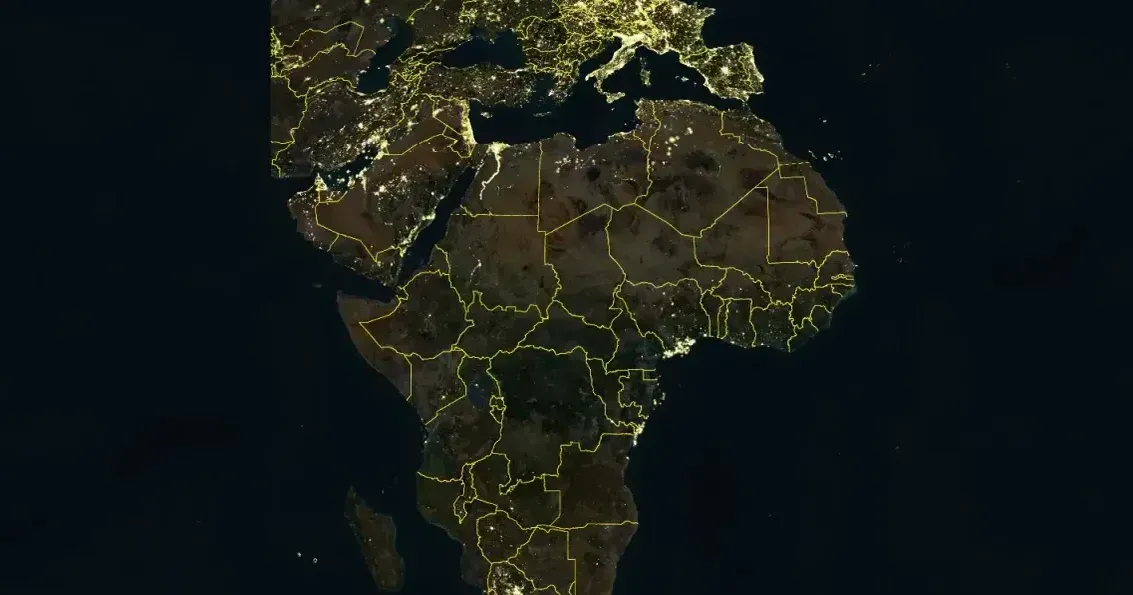
As energy ministers and industry titans gather in Cape Town for African Energy Week, the conversation centers on a striking contradiction. The African continent sits atop a staggering fortune of natural resources, holding roughly 125 billion barrels of oil and 18 trillion cubic meters of natural gas. Beyond fossil fuels, Africa is indispensable to the global green transition, producing over 70 percent of the worlds cobalt and manganese, materials essential for the batteries powering electric vehicles across the globe. Yet, despite being a primary engine for the worlds energy needs, millions of Africans live in darkness.
The distribution of this wealth is heavily concentrated in a few key nations. Libya and Nigeria dominate the oil landscape, together holding nearly 70 percent of the continents reserves, while Algeria remains a powerhouse in both gas and oil production. Similarly, the Democratic Republic of the Congo provides nearly 70 percent of global cobalt, often through perilous artisanal mining conditions. While these exports generate significant revenue and attract foreign giants like Eni and TotalEnergies, that wealth rarely trickles down to provide basic utility services for local populations.
The disparity is perhaps most evident when looking at domestic electricity access. While six countries have achieved universal coverage, vast stretches of the continent remain unplugged. In South Sudan, just over five percent of the population has electricity, and in the Democratic Republic of the Congo, only 22.5 percent are connected to a grid despite the country generating all its power from renewables. Even Nigeria, as Africas largest economy and top oil producer, sees roughly 85 million people living without power—the highest number of any single nation on earth.
For those in rural regions throughout Sub Saharan Africa, the reality consists not of high tech grids or battery storage but of kerosene lamps and candles. As delegates meet to discuss energy finance and infrastructure investment through October 16, the challenge remains clear: bridging the gap between Africas role as a global resource warehouse and its own urgent need for basic electrification. Until then, the continents immense geological wealth will continue to coexist with widespread energy poverty.